How to Choose the Right Desert Safari Dubai Price for Your Trip
Choosing a desert safari is not just about finding the lowest number on a page. The price usually reflects the type of trip, the level of comfort, what happens once you reach the desert, and how much of the day is taken up by travel. A clear comparison helps you see what you are really paying for and avoids the disappointment that comes from expecting one experience while booking another.
Start by deciding what kind of outing suits your time, energy, and reason for going. A short morning trip tends to suit people who want a quieter landscape, cooler air, and a simple return before the rest of the day begins. An evening safari usually feels more social and includes more activities, but it also takes a larger slice of the afternoon and night. Private arrangements cost more because the vehicle and schedule are set aside for a smaller group, while a shared tour keeps the cost lower but means mixing with other travellers and following a fixed sequence.
Set your priorities before comparing prices
The first step is to work out which parts of the experience matter most to you. Some people care mainly about dune bashing and the drive through the desert. Others want a long stop for photographs, a camel ride, a meal, or a calmer setting with fewer people around. Once those points are clear, the price becomes easier to judge.
Think about how your day is structured. If you are staying in the city with limited free time, a shorter trip may be worth more than a longer one with extra stops. If you are travelling with children, older relatives, or anyone who prefers a gentler pace, a package built around comfort may matter more than one packed with high-energy activities. The right desert safari dubai price is the one that matches the day you actually want, not the longest list of inclusions.
It also helps to separate essentials from extras. Essentials may include transport from your hotel area, a qualified driver, and the core desert activities. Extras might include a camel ride, entertainment, a BBQ dinner, or a more private setup. Extras can be enjoyable, but they should not be the only reason to accept a higher price. If an activity is listed but there is little time to enjoy it, the value is weaker than it first appears.
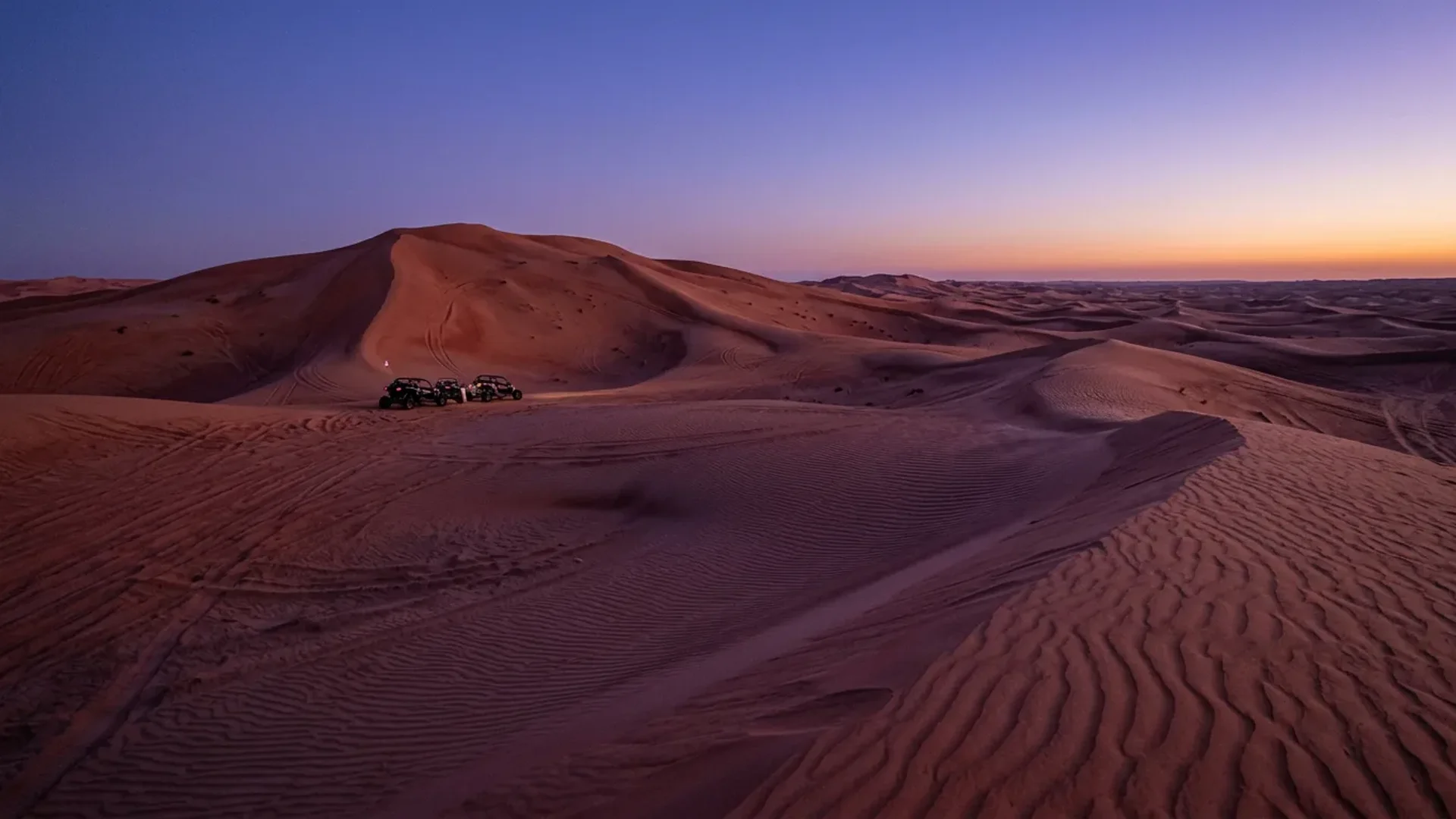
Check what the tour type actually includes
After you know your priorities, compare the tour types in front of you. Read the description as if you were planning the day hour by hour. A trip that mentions pickup and drop-off needs a clear meeting point or hotel collection arrangement. A trip centred on an evening safari should state whether dinner, entertainment, and desert activities are part of the same booking or treated as add-ons.
Pay attention to the wording around dune bashing. Some trips present it as the main event, while others keep it short or offer a milder route. That difference can affect both the price and the comfort level. If the vehicle is shared, the driver may need to balance the preferences of several passengers. If the outing is private, the pace can be more flexible, though that flexibility usually comes with a higher price.
A shared tour can be a sensible choice when the route and timings are clearly stated. A private safari can make sense when you want space, privacy, or control over the schedule. Neither option is automatically better. The better choice depends on whether you value company and a lower cost or privacy and a tailored pace.
Watch for differences in group size and comfort
Group size changes the feel of the trip more than many travellers expect. A smaller group often means shorter waits, easier boarding, and more room to move around at stops. A larger group can still be enjoyable, but the day may involve more queueing and more time spent coordinating people. When prices look similar, check which option gives you the experience you prefer.
Comfort is another point to weigh. Desert conditions can be hot, dusty, and tiring, especially for a full afternoon or evening trip. Look for details about the vehicle, the length of stops, and whether there are shaded or seated areas during meal breaks. A lower price may still be reasonable if the schedule is well organised. It becomes less appealing if the day involves long waits with little shelter or little clarity about what happens next.
When comparing an ATV Ride Dubai listing with another safari option, keep the comparison focused on the inclusions and the type of day offered. The name may draw attention, but the useful question is what is included, how long the trip lasts, and whether the activities suit the people travelling. That approach keeps the decision practical instead of relying on labels.
Read the timing carefully
Timing affects both the price and the quality of the experience. A morning safari usually offers a quieter feel and softer light, while an evening safari often includes sunset views and a busier schedule after dark. Neither is better in every case. The choice depends on your energy, your tolerance for heat, and whether you want a calm start or a fuller social outing.
Check the full time span, not just the time you leave the city. Travel to and from the desert can take a meaningful part of the day. If pickup is early and drop-off is late, you should know that before booking. Look for a clear itinerary with the main stages in order, including collection, desert drive, activity stops, meal breaks, and return. Vague timing often leads to frustration, especially when travellers assume they will be back at a reasonable hour.

It is also worth checking whether the schedule changes by season or by day of the week. Many desert trips run on similar patterns, but the exact flow can vary. A clear provider should be able to explain what is fixed and what may shift. If the answer is unclear, treat the price as incomplete until the timing is understood.
Compare inclusions without overvaluing the list
A longer list of activities can look impressive, but each item deserves a practical check. A camel ride may be brief, and a BBQ dinner may be one part of a large, busy camp. Entertainment may run at set times rather than continuously. These details do not make the trip poor, but they help you judge whether the listed features fit your expectations.
Ask whether activities are included in the quoted price or available only as paid additions. This is one of the most common sources of confusion. A package may appear attractive until several extras are added at the last moment. A slightly higher upfront price can feel more straightforward when it covers the main things you want to do.
Also check what happens if an activity cannot run because of weather, road conditions, or group logistics. Clear terms should explain whether an alternative is offered. That does not mean every detail will be perfect, but it does show whether the booking has been thought through. A transparent description is usually a better sign than a dramatic promise.
Judge value, not just the headline number
Once you have gathered the details, compare each price against the full experience. Ask whether the trip gives you the hours, activities, comfort, and transport you need. A lower price may be suitable for a short outing with limited extras. A higher price may be justified when it provides privacy, better timing, or a smoother day. The goal is not to spend more or less for its own sake. It is to avoid paying for features you do not want while missing the ones that matter to you.
Use a simple comparison before you decide. Write down the trip length, pickup and drop-off arrangements, group type, main activities, meal details, and anything listed as an extra. Then mark which items are essential for your group. This turns a messy set of options into a clear view of value.
- Trip length and the total time away from your hotel area
- Whether the trip is shared or private
- Core activities and how much time is allowed for each
- Meal arrangements and whether drinks are included
- Extra costs that may appear after booking
At this stage, the best option is often the one with fewer surprises. A clear price with a clear plan is easier to trust than a bargain that depends on several unstated conditions. It also makes the day easier to enjoy, because expectations are set before you leave.

Check the booking terms before you pay
The final step is to read the terms attached to the price. Look for cancellation rules, payment requirements, and any note about minimum group numbers. These points do not change the desert experience itself, but they affect how flexible your plans are. If your travel schedule is tight, flexibility may be worth more than a small difference between two options.
Confirm the meeting details and keep the booking reference somewhere easy to find. If hotel collection is part of the arrangement, check whether the pickup point is clearly defined. If you are meeting elsewhere, make sure the location and time are understood by everyone in your group. Good preparation reduces the chance of a rushed start.
When the details line up, the choice becomes much simpler. You are no longer choosing between vague prices. You are choosing between clearly described days out, each with its own balance of time, comfort, activities, and cost. That is how to pick a desert safari price that fits the trip rather than one that only looks good at first glance.